
Introduction
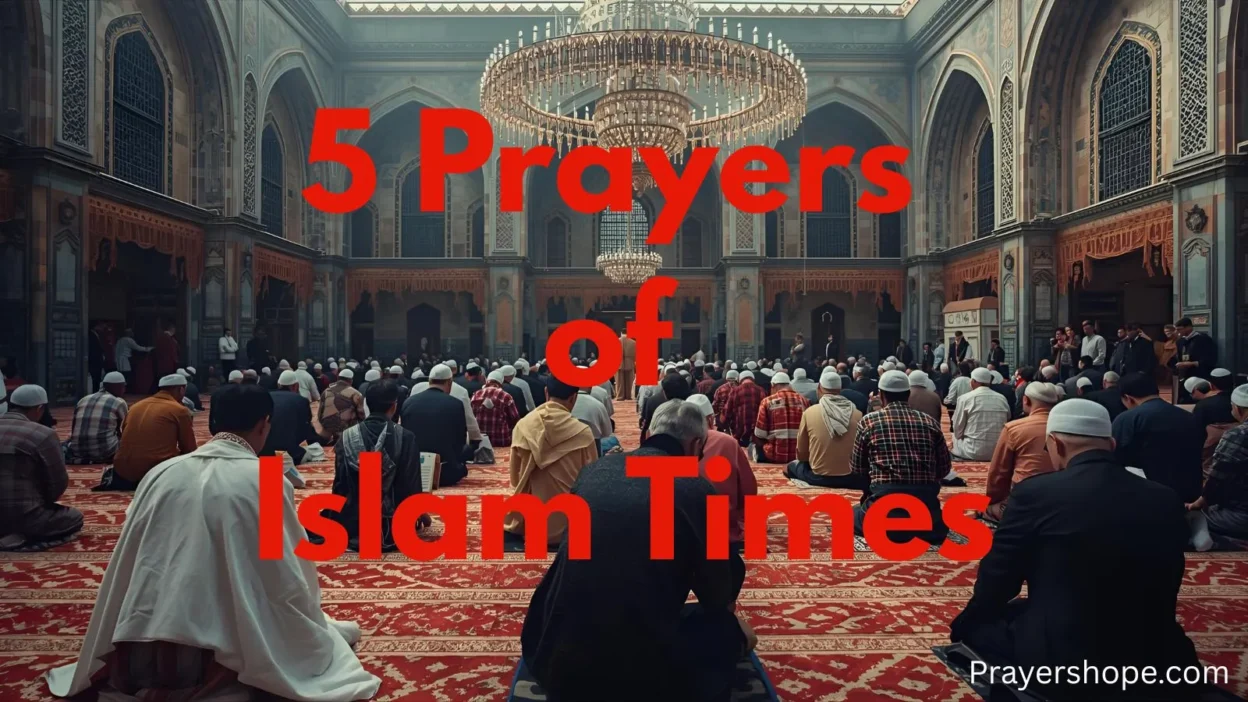
Prayer is the heart of a Muslim’s daily life — a sacred rhythm that connects the soul to the Creator. The 5 prayers of Islam times (Fajr, Dhuhr, Asr, Maghrib, and Isha) are moments of peace and reflection spread throughout the day, reminding believers to pause, remember Allah, and seek His guidance.
Each prayer has its own spiritual meaning and timing, designed to align life with faith and discipline. If you’re new to Islam or seeking to strengthen your connection with Allah, understanding these five daily prayers brings balance, tranquility, and purpose to your everyday routine.
1. Fajr – The Dawn Prayer
The Fajr prayer is performed before sunrise. It marks the beginning of a new day — a fresh start filled with hope and blessings.
Prayer:
Ya Allah, as I rise with the light of dawn, fill my heart with gratitude and my soul with purpose. Help me leave behind the worries of yesterday and embrace this new day with faith. Keep me steadfast in prayer and righteous in action. Let my first breath of morning be filled with Your remembrance and my first words be of praise. Guide me through this day with peace, clarity, and strength to do what pleases You. Ameen.
2. Dhuhr – The Midday Prayer

The Dhuhr prayer comes after the sun has passed its zenith, reminding us to pause during the day’s busyness and reconnect with Allah.
Prayer:
O Allah, as the day grows bright and busy, I turn to You for calm. Help me find balance in my work and worship. Let this Dhuhr prayer refresh my heart and refocus my mind on what truly matters. Forgive me for my distractions and guide my steps toward honesty, kindness, and humility. May my every action from this moment forward be a reflection of Your light. Ameen.
3. Asr – The Afternoon Prayer
The Asr prayer is a reminder of patience and perseverance. It’s performed in the late afternoon when energy fades and responsibilities weigh heavy.
Prayer:
Ya Rabb, as the sun begins to descend, I seek Your strength. In moments of weariness and weakness, remind me that You are near. Grant me patience to face what’s ahead and gratitude for all that You’ve given. Let this Asr prayer renew my determination to complete the day with sincerity. Protect me from pride, anger, and despair, and replace them with contentment and trust in Your perfect plan. Ameen.
4. Maghrib – The Sunset Prayer
The Maghrib prayer comes just after sunset, symbolizing the close of another day and the chance for reflection and renewal.
Prayer:
O Merciful Lord, as the sun sets and the sky turns crimson, I thank You for another day of life and mercy. Forgive my shortcomings and accept the good I have done. Help me release what I cannot change and rest in Your forgiveness. Let this Maghrib prayer be my moment of peace — a reminder that even in endings, there is light. Bless my family, my home, and all who turn to You in faith tonight. Ameen.
5. Isha – The Night Prayer

The Isha prayer is performed at night. It’s a moment of deep reflection, gratitude, and surrender before rest.
Prayer:
Ya Allah, as darkness fills the sky, I place my worries, my dreams, and my heart in Your care. Protect me through the night and grant me peaceful sleep. Forgive my sins and guide me toward goodness tomorrow. Let this Isha prayer remind me that no matter how long the night, Your mercy is endless, and Your love eternal. Ameen.
sunnah prayers in islamhttps://prayershope.com/sunnah-prayers-in-islam/
6. The Beauty of Prayer Timing in Islam
Each of the five prayer times holds divine wisdom. From the stillness of Fajr to the serenity of Isha, every prayer aligns with the natural rhythm of life. The Prophet Muhammad (peace be upon him) said, “The first thing for which a servant will be called to account on the Day of Resurrection will be the prayer.”
By performing prayers at their appointed times, you not only fulfill an obligation but also experience a spiritual alignment that nurtures discipline and mindfulness.
5 daily prayers rakatshttps://prayershope.com/5-daily-prayers-rakats/
7. How the 5 Daily Prayers Strengthen Faith
The 5 prayers of Islam act as anchors throughout the day. They remind us that our purpose is not limited to worldly success, but spiritual fulfillment.
Every time you pray, your soul whispers, “I remember my Creator.” Regular prayer brings comfort in pain, clarity in confusion, and humility in joy. It transforms your daily routine into an act of worship — turning ordinary moments into sacred ones.
8. Short Prayers Between Salah (Optional Duas)
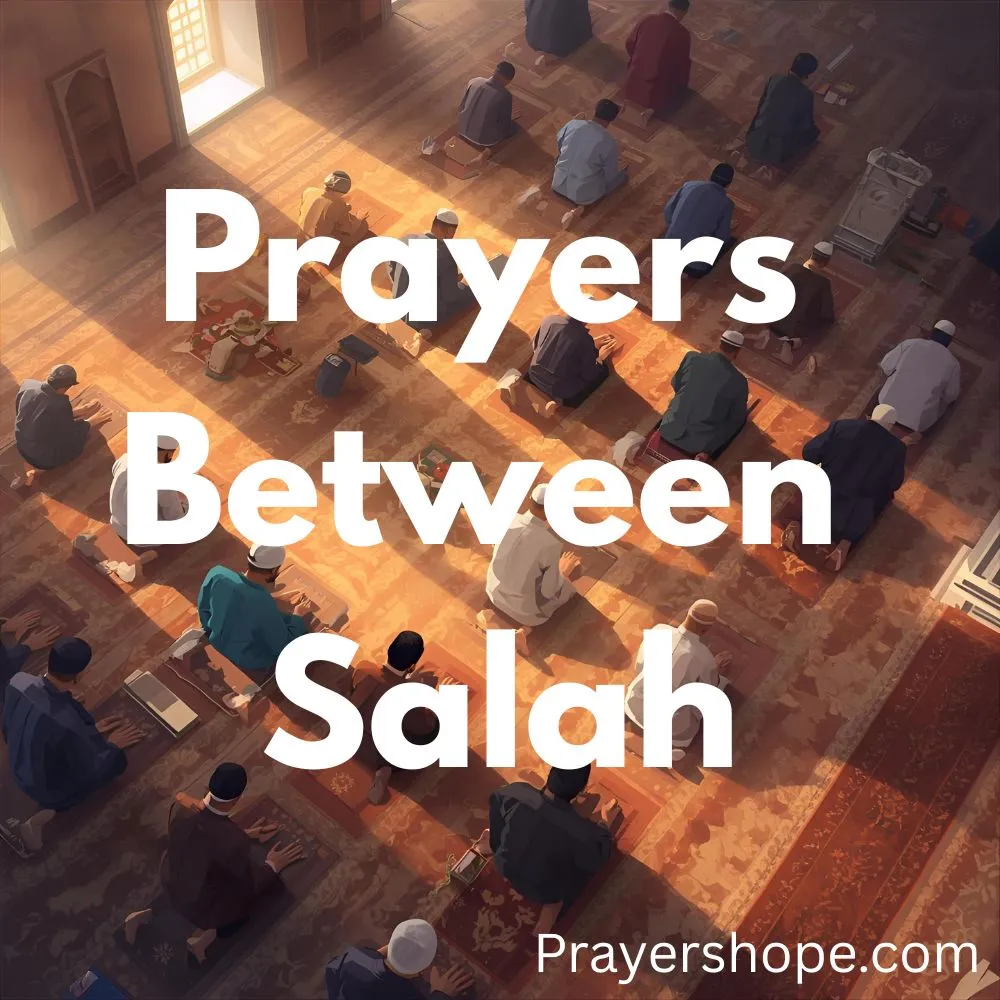
In between the obligatory five daily prayers, short personal supplications (duas) can help deepen your connection with Allah.
Prayer:
Ya Allah, keep my heart soft and my tongue truthful. Protect me from arrogance and remind me of Your mercy with every breath. Help me stay consistent in my prayers and grateful in all circumstances. Ameen.
Such short prayers of Islam strengthen your heart and remind you of Allah’s constant presence — even outside the set times of Salah.
9. Making Prayer a Daily Habit
Consistency in prayer doesn’t come instantly. It requires love, patience, and commitment. Set reminders, find a quiet space, and perform daily prayers with sincerity. Over time, you’ll begin to feel their calming rhythm guide your days.
Each time you stand before Allah, remember that He listens — even when words fail. A few moments of true connection can fill your entire day with peace.
10. Spiritual Benefits of the 5 Prayers of Islam
Beyond the physical act of bowing and prostrating, the five prayers of Islam bring countless spiritual benefits:
- Peace of mind through remembrance of Allah.
- Discipline by structuring your day around faith.
- Forgiveness as sins are washed away between prayers.
- Unity as millions of Muslims pray in the same direction.
- Gratitude as every prayer begins with “Alhamdulillah.”
These powerful daily prayers are not burdens but blessings — gifts that draw the believer closer to the Creator.
Conclusion
The 5 prayers of Islam times are more than obligations; they are moments of love, gratitude, and surrender. Each prayer invites you to pause, reflect, and reconnect with your purpose.
By making Salah a daily habit, your life gains rhythm, your heart finds calm, and your soul grows closer to Allah. Remember, prayer is not about perfection — it’s about presence. Even on your busiest days, take a moment to bow your head and whisper, “Ya Allah, I am here.”
May your prayers bring peace, guidance, and endless blessings. Ameen.
FAQs
1. What are the 5 prayers of Islam times?
They are Fajr (dawn), Dhuhr (noon), Asr (afternoon), Maghrib (sunset), and Isha (night) — performed at specific times daily.
2. Why are there 5 prayers in Islam?
Allah commanded five daily prayers to keep believers connected to Him and mindful throughout the day.
3. How do I remember prayer times easily?
Use prayer apps, set reminders, or observe natural signs like sunrise and sunset to stay consistent.
4. Can I combine prayers if I miss one?
Prayers should be performed on time, but in genuine hardship, Dhuhr and Asr, or Maghrib and Isha, may be combined.
5. What is the benefit of praying on time?
Praying on time strengthens faith, brings peace to the heart, and earns immense spiritual rewards from Allah.