
Introduction
Sunnah prayers in Islam are voluntary acts of worship that Prophet Muhammad (peace be upon him) performed regularly. They are a source of immense reward, forgiveness, and spiritual growth.
By following the Prophet’s example, Muslims strengthen their faith, gain peace of heart, and draw closer to Allah. Performing these prayers daily adds light, discipline, and blessing to one’s life.
1. Sunnah Prayer Before Fajr 🌅
The Prophet ﷺ said: “The two rak‘ahs before Fajr are better than this world and everything in it.” These two sunnah rak‘ahs hold immense value. They prepare the heart for the obligatory Fajr prayer and invite tranquility into the start of the day.
Prayer Reflection:
Ya Allah, as I stand before You in the early hours of dawn, I ask You to fill my heart with light and my day with barakah. Allow me to start every morning remembering You and never be distracted by worldly worries. Let these two rak‘ahs open the doors of mercy and keep me steadfast on Your path. Ameen.
2. Sunnah Prayers Before and After Dhuhr ☀️
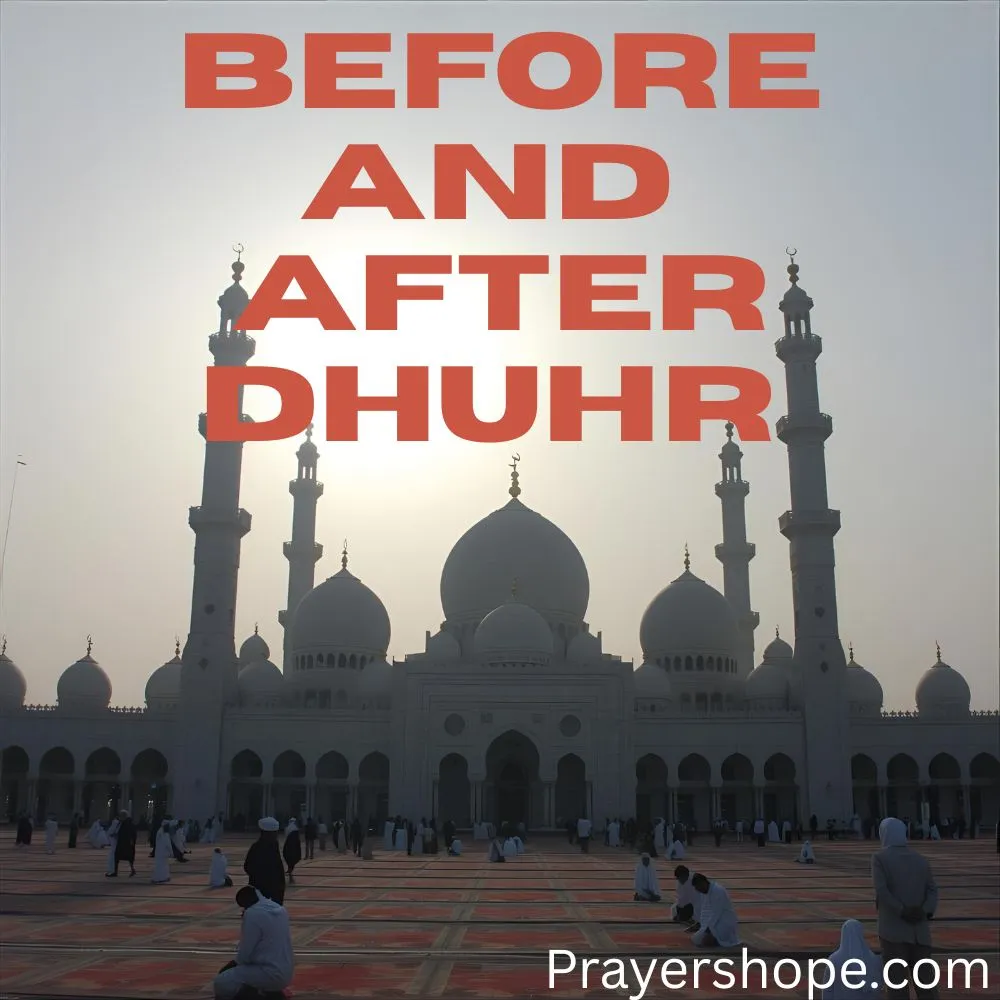
The Prophet ﷺ regularly prayed four rak‘ahs before Dhuhr and two after. These prayers act as a shield, protecting a believer from heedlessness during the busy midday hours.
Prayer Reflection:
O Allah, in the midst of my daily work and responsibilities, allow these sunnah rak‘ahs to refresh my soul. Grant me patience, sincerity, and focus in everything I do. Protect me from arrogance and guide me to balance my worldly duties with remembrance of You. May these prayers be a source of peace and forgiveness on the Day of Judgment. Ameen.
3. Sunnah Prayers Before Asr 🌇
While not as emphasized as others, the Prophet ﷺ encouraged offering four rak‘ahs before Asr. This prayer draws blessings and safeguards a believer from spiritual laziness in the late afternoon.
Prayer Reflection:
Ya Rabb, as the day draws closer to its end, I turn to You for renewal. Protect me from wasted time, idle speech, and harmful distractions. Fill my last hours of daylight with productivity, worship, and goodness. Let these rak‘ahs be a testimony of my love for You, even in the busiest times of life. Ameen.
4. Sunnah Prayer After Maghrib 🌆
Two rak‘ahs after Maghrib are among the most beloved sunnah practices of the Prophet ﷺ. They serve as a moment to ground oneself after the day and before the night begins.
Prayer Reflection:
Ya Allah, as the sun sets and darkness spreads, let these two rak‘ahs be my shield from the darkness of sins. Fill my home with Your light, my heart with Your guidance, and my night with Your mercy. Allow me to use my evenings in worship, reflection, and gratitude. Ameen.
5. Sunnah Prayer After Isha 🌙
Two rak‘ahs after Isha complete the cycle of daily sunnah prayers. They help a believer end the day with gratitude and remembrance of Allah.
Prayer Reflection:
O Allah, as the world quiets down, I raise my hands in humility. Accept my prayers, forgive my mistakes, and bless my sleep with peace. Let me rise for Fajr with energy, sincerity, and devotion. Protect me through the night and grant me dreams filled with Your mercy. Ameen.
5 daily prayers rakatshttps://prayershope.com/5-daily-prayers-rakats/
6. Tahajjud – The Night Prayer ✨
Tahajjud is one of the most powerful sunnah prayers in Islam. Performed after Isha and before Fajr, it is a private dialogue with Allah when most of the world sleeps.
Prayer Reflection:
Ya Hayyu, Ya Qayyum, in the stillness of the night I stand before You with a humble heart. Accept my tears, forgive my sins, and guide me to Your light. Grant me strength in trials, clarity in decisions, and steadfastness in faith. Let Tahajjud be my rope to You, unbroken until I meet You. Ameen.
7. Witr Prayer 🌌
Witr is a highly emphasized sunnah prayer prayed after Isha. It is the “closing prayer” of the night and a way to end the day with remembrance.
Prayer Reflection:
O Allah, You are One, and You love what is odd-numbered. I ask You for forgiveness, mercy, and guidance through this Witr prayer. Protect my faith, bless my family, and grant me victory over my weaknesses. Make my final words in this dunya words of tawheed: La ilaha illallah. Ameen.
5 prayers of islam timeshttps://prayershope.com/5-prayers-of-islam-times/
8. Ishraq Prayer (After Sunrise) 🌞
Prayed about 15–20 minutes after sunrise, Ishraq brings blessings to one’s provision and day. It is a sign of gratitude for the gift of light and a new beginning.
Prayer Reflection:
Ya Allah, as the sun rises and spreads its light, spread barakah in my rizq, my family, and my faith. Allow me to walk in Your light, avoiding paths of sin. Make my day fruitful, filled with kindness, charity, and good deeds. Grant me contentment in what You provide. Ameen.
9. Duha Prayer (Forenoon Prayer) 🌤️
Prayed mid-morning, Duha is a sunnah prayer that brings ease to one’s life and increases sustenance. The Prophet ﷺ encouraged this prayer as a means of gratitude.
Prayer Reflection:
Ya Rabb, in these hours of brightness, I thank You for my health, strength, and sustenance. Make me grateful for every blessing I often overlook. Protect me from poverty of the soul, grant me abundance in goodness, and let my efforts today be pleasing to You. Ameen.
bahai prayershttps://prayershope.com/bahai-prayers/
10. Tahiyyat al-Masjid (Greeting the Mosque) 🕌
Whenever entering the mosque, it is sunnah to pray two rak‘ahs before sitting down. This shows respect for the sacred house of Allah.
Prayer Reflection:
Ya Allah, this is Your house, and I am Your guest. I bow before You in gratitude and humility. Purify my heart from arrogance, fill my soul with sincerity, and accept my presence here. Let every step to the masjid bring me closer to Jannah. Ameen.
Conclusion
Sunnah prayers in Islam are not just extra rak‘ahs—they are gifts from Allah to strengthen faith, ease struggles, and increase blessings. Each prayer has its own unique time, beauty, and reward. By practicing them regularly, we invite peace into our hearts, purpose into our lives, and closeness to our Creator.
If you’ve been searching for sunnah prayers in Islam, let this guide be your gentle reminder that every extra prayer is a step toward eternal light. 🌙
FAQs
1. What are Sunnah prayers in Islam?
Sunnah prayers are voluntary acts of worship that Prophet Muhammad (peace be upon him) regularly performed. They bring extra reward and closeness to Allah.
2. How many Sunnah prayers are there daily?
There are twelve regular Sunnah rak‘ahs — two before Fajr, four before Dhuhr, two after Dhuhr, two after Maghrib, and two after Isha.
3. Are Sunnah prayers mandatory?
No, Sunnah prayers are not obligatory. But performing them shows love for the Prophet’s example and earns great rewards.
4. Can Sunnah prayers be prayed at home?
Yes. The Prophet (peace be upon him) encouraged offering Sunnah prayers at home for greater privacy and sincerity.
5. What is the difference between Sunnah and Nafl prayers?
All Sunnah prayers are Nafl (voluntary), but Sunnah refers specifically to those the Prophet (peace be upon him) performed regularly.